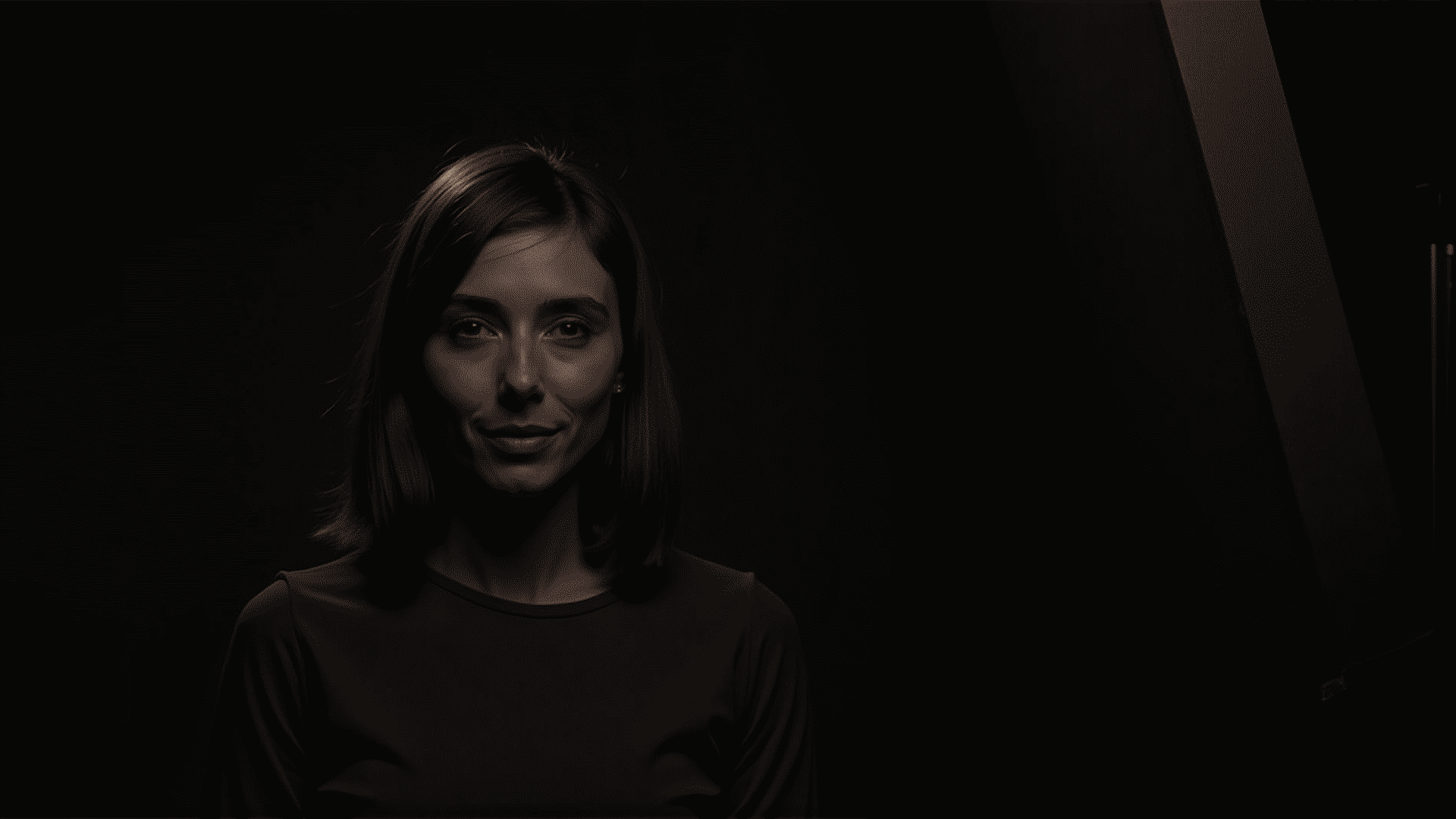
Harnessing the power of light can dramatically elevate your photography and breathe life into your images. Understanding and employing a variety of lighting techniques is key to creating compelling visuals that captivate viewers. Here are some core lighting principles and methods that can transform your ordinary shots into extraordinary works of art.
Understanding Natural Light
Natural light is one of the most accessible and versatile sources for photographers. The best time to capture stunning images using natural light is during the golden hour, which occurs shortly after sunrise and before sunset. During this time, the sun casts a warm, soft light, which adds a magical touch to any scene.
Overcast days provide diffused light that reduces harsh shadows and highlights, making it easier to achieve balanced exposures. For portrait photography, positioning your subject near a window can also produce beautifully lit shots, with the window acting as a natural softbox.
Exploring Artificial Light
For those who enjoy controlling every element of their image, artificial light sources open up a world of possibilities. Studio lighting setups, including the use of softboxes and umbrellas, allow you to create consistent lighting conditions, regardless of the time or weather outside. These tools help disperse light evenly, minimizing harsh shadows and producing soft, flattering illumination on your subjects.
Positioning lights at different angles can dramatically alter the mood and depth of your image. Side lighting, for example, can add depth and dimension, while backlighting can create intriguing silhouettes and glowing highlights.
Mastering Shadow and Contrast
Shadows and contrast bring drama and texture to a photo. Playing with shadow can enhance compositional elements and guide the viewer’s eye to the focal point of your image. Whether you use shadows to create a sense of mystery or to highlight patterns and shapes, the interplay between light and dark can enhance the story your photograph tells.
Utilizing Reflectors
Reflectors are an essential tool for any photographer looking to manipulate natural or artificial light effortlessly. These accessories help fill in shadows and bounce light back onto your subject, enhancing details and balancing the overall exposure. A simple whiteboard or silver reflector can make a significant difference, particularly when shooting portraits.
Experimenting with Light Temperature
Light temperature, measured in Kelvin, affects the color balance of your images. Cooler temperatures cast a bluish hue, while warmer temperatures add an amber tone. Understanding and experimenting with different light temperatures enables you to set the mood of your photograph and convey the desired emotion effectively.
Conclusion
Lighting is more than just a technical component; it is an expressive tool that can transform the narrative of your photographs. By mastering these essential lighting techniques, you can elevate your images and create striking visuals that leave a lasting impression. As you continue to experiment with lighting, you'll discover endless possibilities to enhance your creativity and storytelling.