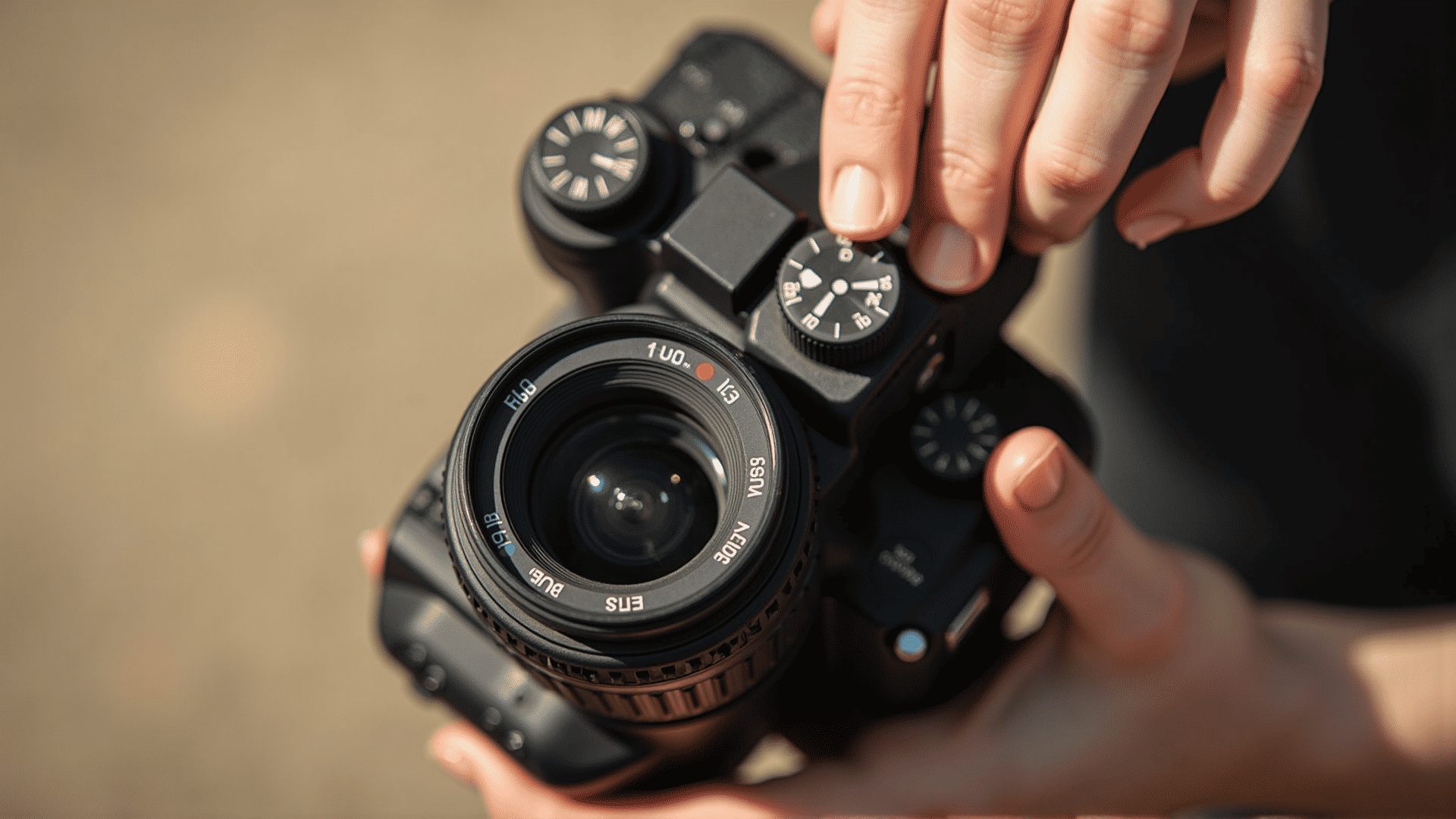
Embarking on the journey of capturing moments through photography can be both exciting and overwhelming. With so many features and settings to explore, understanding the basics is crucial to unlock the true potential of your device. Here, we break down essential settings and functions to help you get started.
Understanding Exposure
At the heart of photography lies the concept of exposure, which determines how light or dark an image appears. Exposure is controlled by three primary settings: aperture, shutter speed, and ISO.
-
Aperture: This setting controls the size of the lens opening, affecting how much light enters. A wider aperture (lower f-number) lets in more light and creates a shallow depth of field, highlighting your subject against a blurred background. Conversely, a narrow aperture (higher f-number) lets in less light and results in a larger depth of field.
-
Shutter Speed: This determines how long the shutter remains open. A faster shutter speed can freeze motion, ideal for capturing action shots, while a slower speed allows for more light and can create artistic motion blur in your images.
-
ISO: This setting adjusts your device’s sensitivity to light. A lower ISO is best for bright conditions to maintain image clarity, while a higher ISO is useful in low-light environments but might introduce noise.
Focusing on Focus
Achieving a sharp focus is critical. Most devices offer both automatic and manual focus options. While automatic focus is convenient, learning to use manual focus gives you greater control over the precision of your subject’s sharpness, especially in complex scenes or low-light conditions.
White Balance
White balance ensures that the colors in your photos appear natural and accurate. Different lighting conditions, such as daylight, fluorescent, or tungsten lights, affect color tones. Adjusting the white balance setting compensates for these variations, ensuring your pictures reflect real-world colors.
Mastering the Modes
Modern devices come equipped with various modes to suit different shooting conditions:
- Auto Mode: Great for beginners, this mode adjusts settings automatically.
- Portrait Mode: Optimizes settings for capturing people with emphasis on skin tones and a softly blurred background.
- Landscape Mode: Enhances detail and vibrancy in wide scenes, like mountains or cityscapes.
- Night Mode: Adjusts settings for low-light situations, minimizing blur and noise.
Composition Techniques
Learning the technical settings is only part of the equation. Composition is the art of arranging elements in your frame to create visually pleasing images. Here are a few classic techniques:
- Rule of Thirds: Imagine dividing your frame into a grid of nine equal parts. Placing your subject along these lines or intersections can make your composition more dynamic.
- Leading Lines: Use natural lines in the scene to draw the viewer’s eye towards the subject.
- Framing: Utilize elements like windows or branches to create a frame within your composition, adding depth and focus.
Practice and Experimentation
The key to mastery is practice. Don't be afraid to experiment with different settings and styles. Take note of what works and what doesn't in various types of scenes and lighting conditions. This hands-on experience is invaluable in understanding and controlling your device.
With these foundational tips, you're equipped to start capturing beautiful images with confidence. Remember, practice makes perfect, so get out there and start shooting!