In the realm of visual storytelling, light stands as an enchanting wizard, capable of transforming a simple image into a masterpiece of emotion and detail. Understanding how to harness and manipulate light can elevate the quality of your work dramatically, revealing the intricacies and subtleties that might otherwise be overlooked.
One of the fundamental keys to mastering this magical element is to understand the different qualities and directions of light. Soft, diffused light, often found on overcast days, creates gentle shadows and even illumination. This is ideal for portraits, as it highlights features without harsh contrasts, lending warmth and softness to the subject. On the other hand, hard, direct light, such as sunlight at noon, casts strong shadows and can add drama and tension to a scene. This can be particularly effective in black and white compositions, where contrast is a pivotal component.
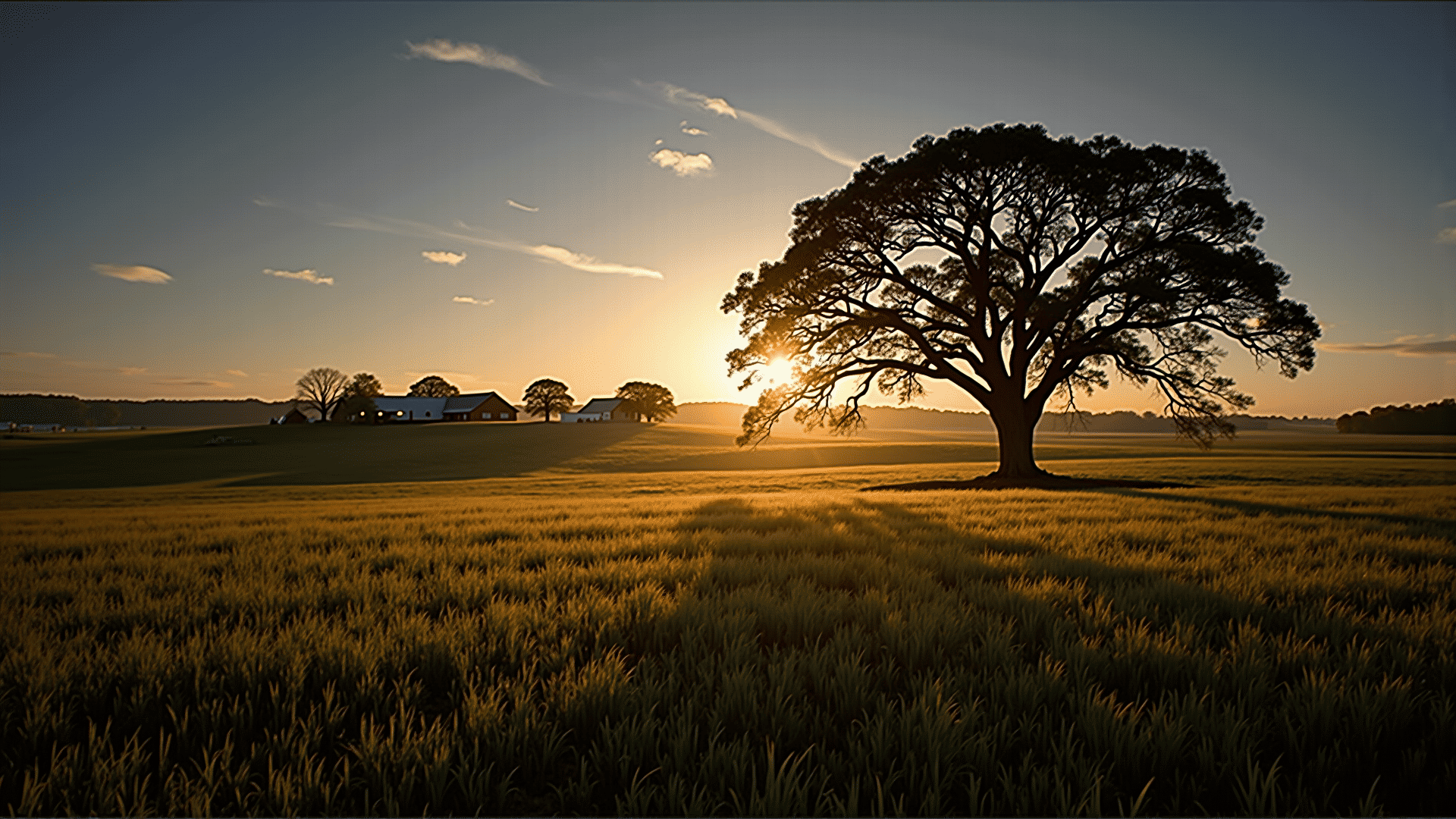
The direction from which light strikes your subject is equally significant. Front lighting illuminates the face, reducing shadows and creating a clear, direct image that can reveal a lot about your subject. Backlighting, where the light source is behind the subject, can create beautiful silhouettes and halos, adding an ethereal quality to your composition. Side lighting brings out textures and details, adding depth and dimension to the photograph by emphasizing the interplay of light and shadow.
Golden hour, the period shortly after sunrise or before sunset, offers some of the most sought-after natural lighting conditions. The light is warm and soft, casting long shadows and bathing scenes in a golden glow that adds an inviting and serene quality. This is a magical time for capturing landscapes and portraits alike, as the ambiance it creates is both inviting and cinematic.
Beyond natural light, creative use of artificial lighting can open up endless possibilities. Studio lighting, which allows for precision control over direction, intensity, and color, can help you create exactly the mood or focus you desire. By experimenting with different light sources, from strobes to LEDs, and implementing tools such as reflectors and diffusers, you can craft scenes with meticulous detail, whether they are set indoors or outside.
Finally, don’t forget the impact of light on color. Light temperature can dramatically change the mood of a photograph, with cooler light casting a blueish tint, often evoking calmness, while warmer light introduces reds and yellows, suggesting energy and alertness. By adjusting white balance settings, you can ensure that the colors in your image accurately reflect your vision and the atmosphere you wish to convey.
In conclusion, light is not just a component of imagery; it is a powerful tool that can transform the ordinary into the extraordinary. By understanding its nuances and practicing its application, you can harness its magical qualities to enrich your art and deepen the impact of your visual storytelling. Whether capturing the quiet serenity of a landscape or the dynamic essence of a lively city street, the right use of light can make all the difference.