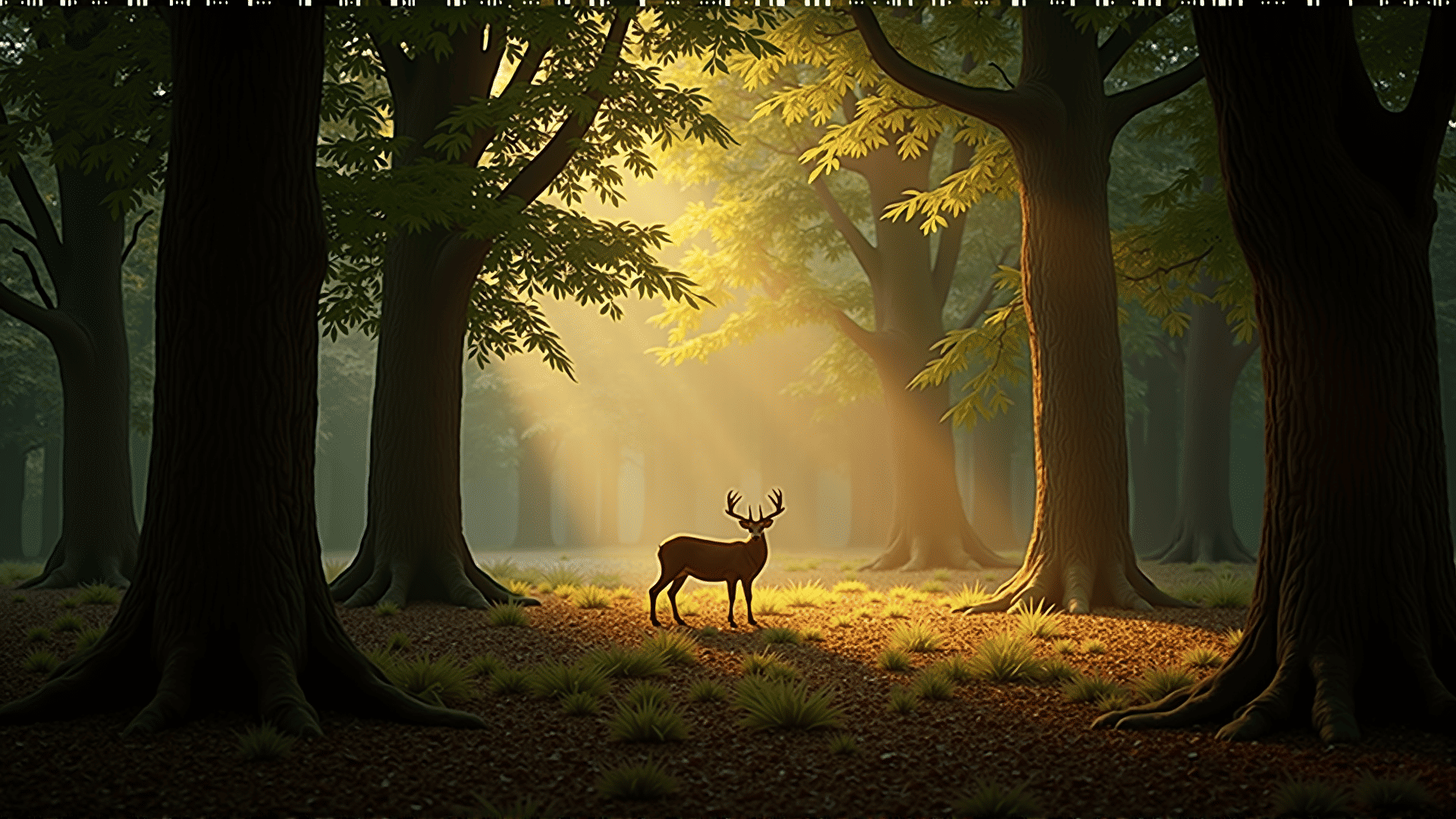
Nature photography offers a remarkable way to engage with the beauty around us. Exploring the natural world through a lens allows one to discover its intricate details, captivating colors, and diverse landscapes. Here are some tips to help capture nature's allure in your photographs.
Choosing the Right Time of Day
The time of day greatly affects the quality of light in a photograph. Early mornings and late afternoons are ideal for nature photography. The so-called "golden hour," when the sun is low in the sky, provides a warm and soft light that enhances the drama and texture of the scene. During these times, shadows are longer, and the colors of the landscape can be more vivid and enchanting.
Embracing Weather Conditions
Don’t shy away from taking photos in different weather conditions. A misty morning can add an ethereal quality to your shots, while a cloudy sky can diffuse the light, reducing harsh shadows. Rain can create stunning reflections and enhance the saturation of colors, and a snowy landscape offers a clean, minimalistic backdrop.
Perfecting Composition
Great compositions anchor a photograph. The rule of thirds is a fundamental principle that can enhance the balance and interest of an image. Imagine dividing your frame into nine equal parts using two horizontal and two vertical lines. Positioning key elements along these lines or at their intersections can create a more engaging and balanced composition. Equally important is observing natural lines and patterns in the landscape that can lead the viewer's eye through the image.
Focusing on Details and Macro Shots
The natural world is full of fascinating details. Focusing on small elements such as dew drops, the texture of a tree bark, or the intricate structure of a flower can result in striking images. Macro photography can unveil a world often unseen by the naked eye and can transform ordinary subjects into something extraordinary.
Patience and Observation
One of the keys to successful nature photography is patience. Observing how light interacts with your subject and waiting for the perfect moment can elevate your photography. This might mean waiting for clouds to part, for an animal to enter the frame, or for the sunlight to hit at just the right angle. This patience often leads to the most rewarding and breathtaking captures.
Ethically Engaged Photography
Respect for nature is a crucial part of wildlife and landscape photography. Always follow local guidelines and ensure your presence has minimal impact on the environment. Avoid disturbing wildlife and remain cautious about treading on fragile plant life. By treating the natural world with respect, you help ensure it remains intact for future generations to experience and appreciate.
In conclusion, capturing the beauty of nature requires a blend of technical skills, creativity, and an appreciation for the environment. With practice and patience, photographers can capture images that convey the wonder and splendor of the natural world, inspiring others to see its beauty through their eyes.