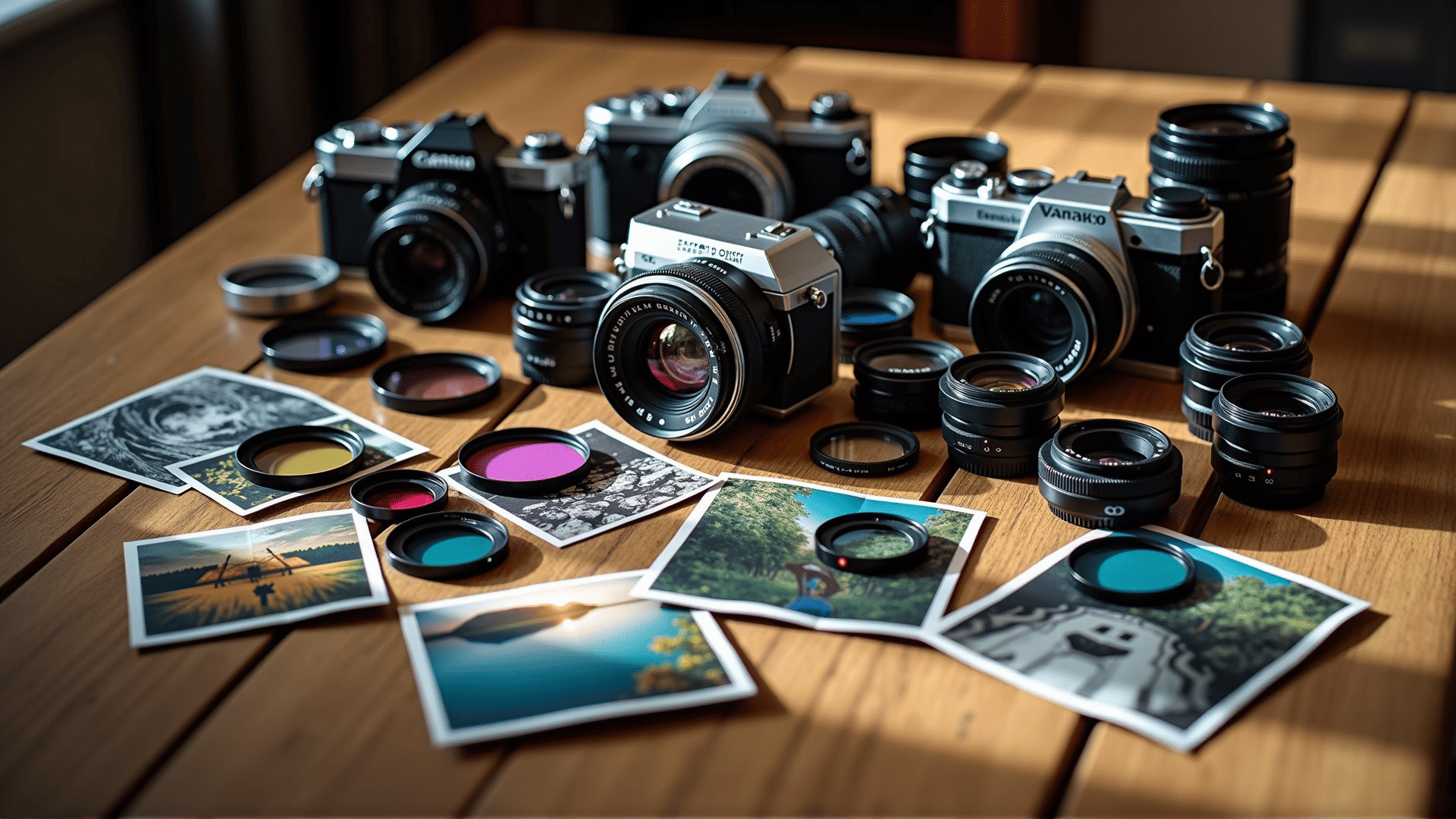
Mastering various photography techniques can significantly enhance the quality of your images, transforming ordinary snapshots into stunning works of art. Whether you're an experienced photographer or just starting out, understanding these methods will help you capture breathtaking moments with precision and creativity.
Understanding Light and Shadow
Light is the core element of photography. Learning to observe how light interacts with your subject allows you to manipulate it creatively. Experiment with natural light at different times of day to observe subtle changes in color and shadow. In addition, mastering the use of artificial light sources such as strobes and reflectors can help you control the mood of your shot.
Composition Techniques
An eye-catching composition is fundamental in guiding the viewer's attention. The rule of thirds is a classic technique: imagine a grid splitting your image into nine parts, placing your subject along these lines or at their intersections. Furthermore, integrating leading lines—such as roads or paths—draws viewers’ eyes through the scene, creating depth and interest.
Depth of Field
Depth of field refers to the zone within an image that appears sharp. A shallow depth of field, achieved by using a wide aperture, isolates your subject against a blurred background, adding emphasis. Conversely, a narrow depth of field can ensure that more of the scene remains in focus, ideal for landscapes or architecture.
Long Exposure
Long exposure techniques allow you to capture the passage of time in static images. Use long exposure to smooth out moving water or capture the motion of clouds. With the right filter to control light intake, even daytime shots can benefit from this technique, creating surreal environments.
Movement and Action
Capturing movement effectively requires quick reflexes and an understanding of your settings. Using a fast shutter speed can freeze motion to capture dynamic action, while panning with a slower shutter can impart a sense of speed and fluidity.
Post-Processing
Post-processing is where your creative eye truly shines. By using editing software, you can fine-tune your images, correcting exposure, tweaking colors, and retouching details. It’s important, however, to maintain a balanced approach to avoid over-processing, which can detract from the natural beauty of your photo.
Storytelling Through Imagery
Every photograph can tell a story or convey an emotion. Consider the narrative you want to express before you press the shutter. Being able to evoke a feeling or depict a moment in time makes your photography memorable and meaningful.
By mastering these techniques, photographers can elevate their craft, producing arresting imagery that both captivates and inspires. Practice, patience, and a keen desire to observe the world are crucial ingredients in this artistic journey.